Learning Ledger 003
Key Insights – one minute read
A community mural taught us that identity is not something designers create. It is something communities build together.
Working with tenants, artists and the broader Canberra community at Endeavour House, we discovered that participation created far greater value than the artwork itself. The process transformed a public art commission into a shared civic story that people wanted to contribute to and champion.
The project revealed that successful places are distinguished not only by the quality of their physical environment but by the strength of the relationships, ownership and shared identity they cultivate along the way.
This became one of the foundations of our understanding that culture is living infrastructure and that participation is not a consultation exercise but a regenerative capability that strengthens neighbourhoods over time.
We realised that the most enduring places are not simply designed for communities. They are created with them.
Read on to discover how a public art project reshaped our understanding of place, participation and civic identity.
Action Learning Question
How might participation create a stronger sense of place than design alone?
Why this matters
Places are often recognised by their buildings, yet remembered for their stories.
As cities become increasingly urbanised, many neighbourhoods struggle to develop a distinctive identity that reflects the people who live, work and contribute there. Public art is frequently commissioned at the end of a project as decoration or amenity. Rarely is it used as a process for building civic identity.
This Action Learning Question explored whether participation itself could become the foundation of place-making.
Truth & Test
Conventional placemaking often begins by asking designers and artists to create something memorable for a place.
We chose to test a different proposition.
What if the community first defined what mattered most, and the artwork simply became an expression of that shared purpose?
Could participation produce stronger neighbourhood identity than design undertaken in isolation?
Action
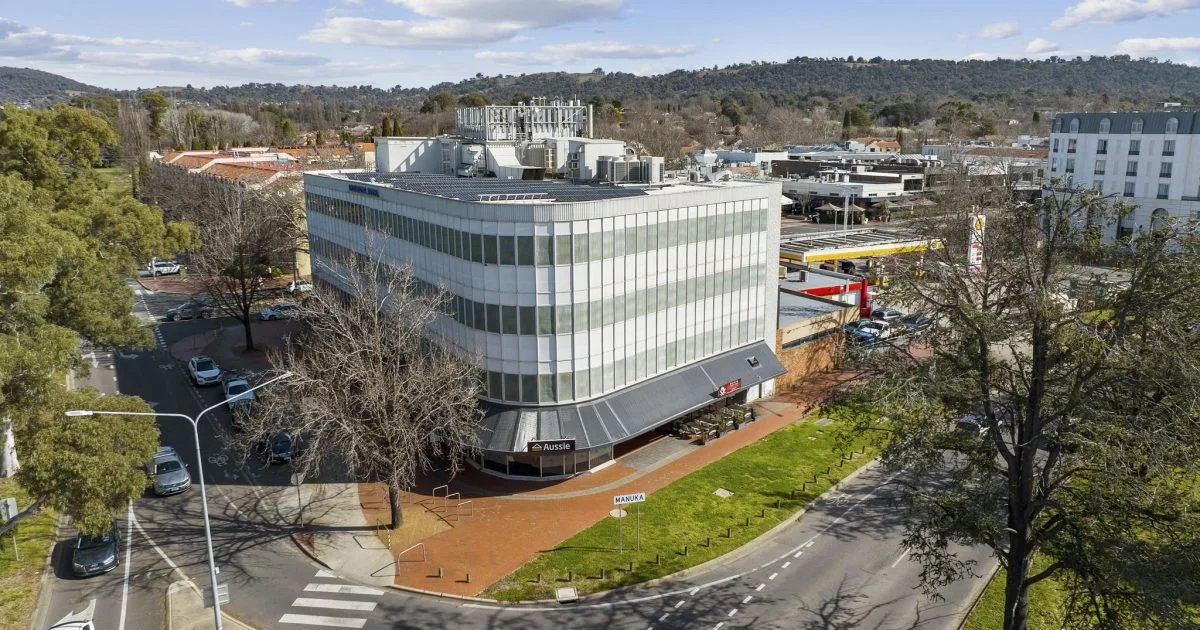
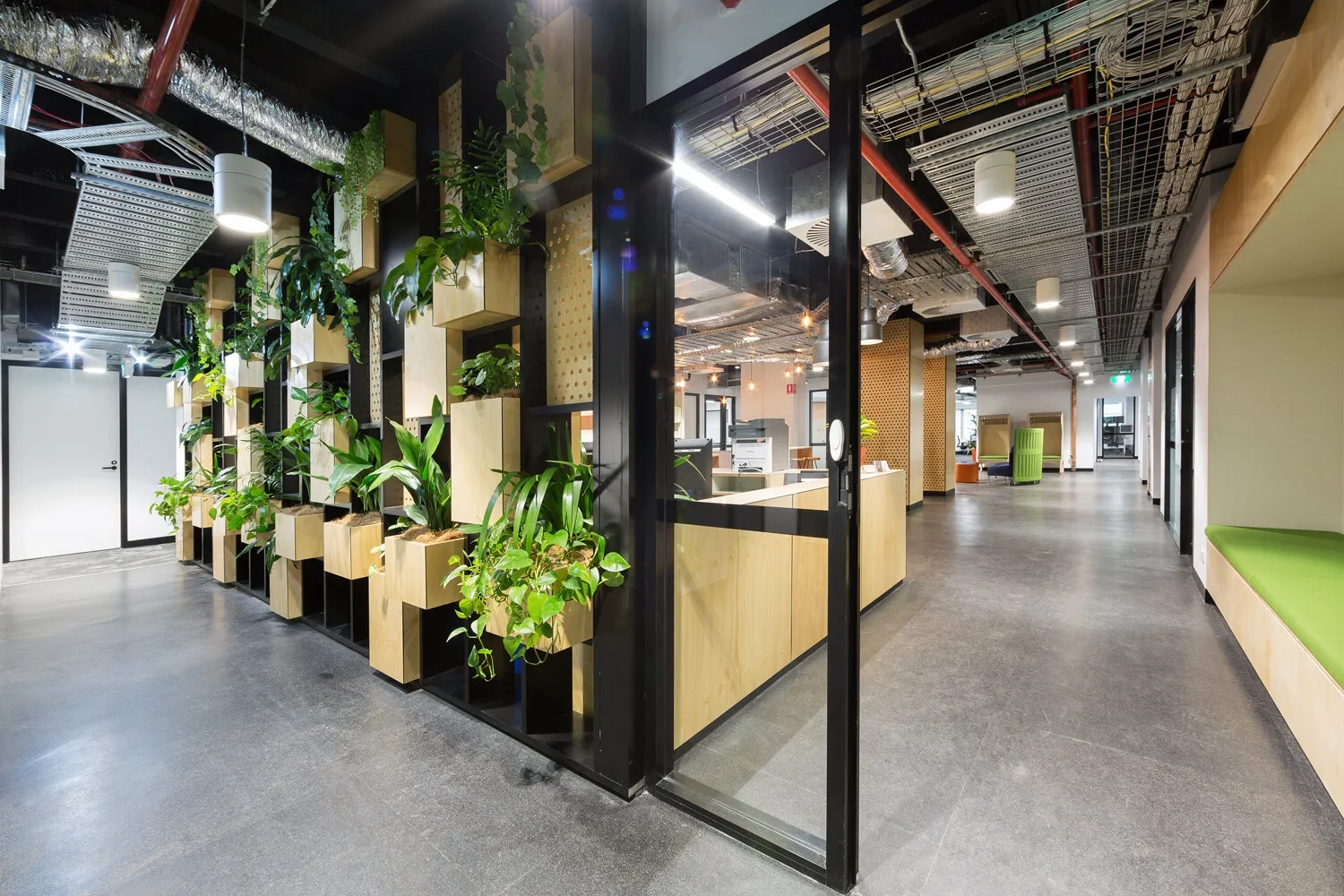
Endeavour House in Manuka was home to a growing community of non-government organisations, policy institutes and social enterprises, including The Australia Institute. The building also provided flexible co-working space for community organisations working in and around Parliament House.
Recognising that these organisations existed to amplify important public conversations, we sought to strengthen the visibility and identity of the place they collectively called home.
Rather than commissioning an artwork directly, we invited our tenants to determine which social issue most deserved public attention. Through an internal survey, they selected climate change as the theme that best reflected their collective values.
We then launched an open competition for local Canberra artists, offering a $25,000 commission for the winning design. Twenty-nine submissions were received and exhibited online before inviting the broader Canberra community to vote for their preferred artwork.
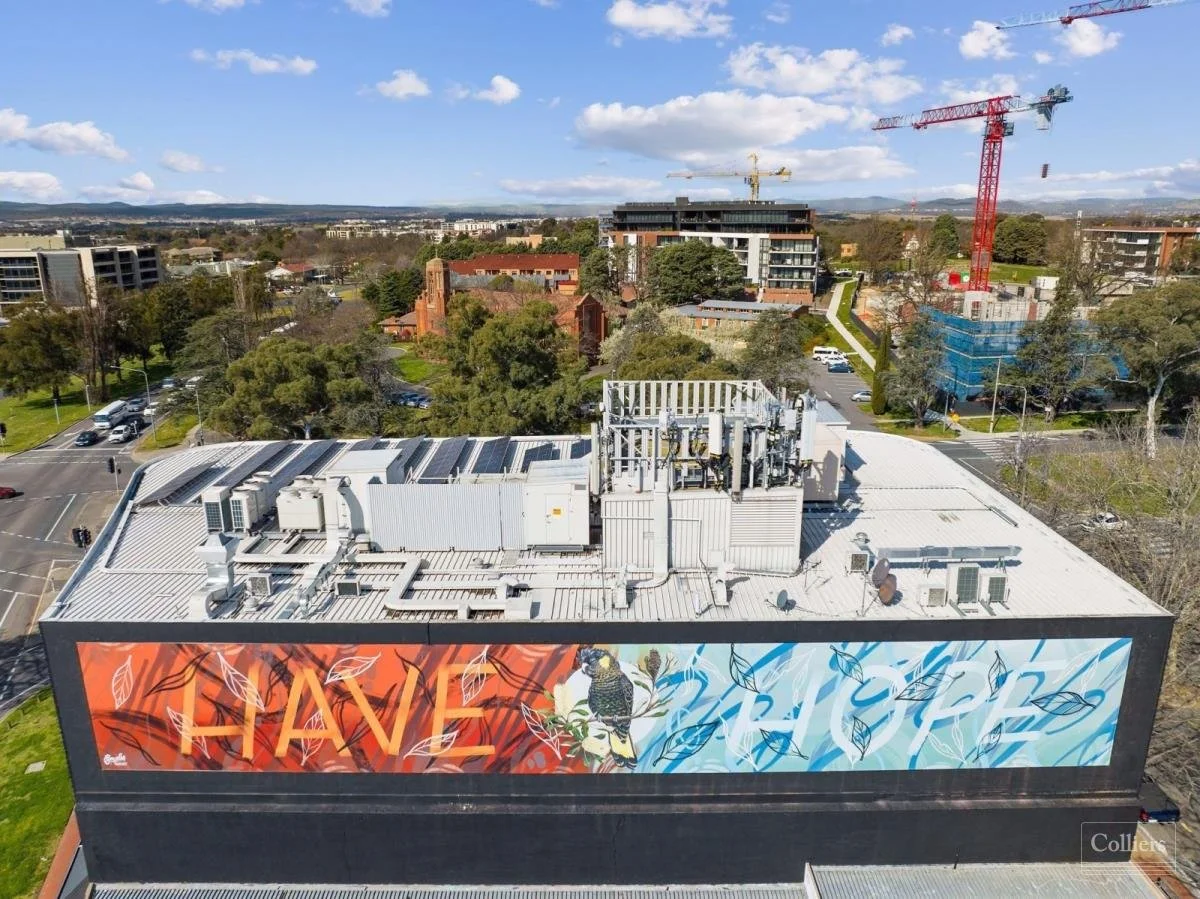
More than 10,000 people participated in selecting the final design. The winning mural was installed as a 350-square-metre banner overlooking Manuka, creating a new landmark visible to thousands of people every day and attracting significant local media coverage. The process generated newspaper features, radio interviews and widespread public discussion while giving both artists and residents a meaningful role in shaping the identity of the precinct.
Reflection
Looking back, the mural was never the project's greatest achievement. The learning came from recognising that participation created ownership long before the artwork appeared on the building.
The tenants were not simply occupants - they became custodians of the story the building would tell.
The artists were not simply suppliers - they became interpreters of a community's shared aspirations.
The public were not passive observers - by voting, they became contributors to the identity of their own neighbourhood.
Only later did we recognise that the process itself had generated far greater civic value than the physical installation. The mural became a visible expression of relationships that had already been formed which fundamentally changed how we thought about placemaking.
Clarity
Identity cannot be installed. It must be cultivated.
Neighbourhood identity does not emerge because a landmark exists.
It emerges because people see part of themselves reflected within it.
Participation transforms infrastructure into culture, and culture transforms places into communities.
Capability
This Action Learning Question expanded our understanding of participation.
Rather than treating engagement as consultation, we began to see it as collaborative creation.
The project demonstrated that civic participation could simultaneously strengthen community ownership, increase public visibility, support local artists, celebrate Indigenous wildlife, reinforce tenant identity and contribute to the cultural life of an entire neighbourhood.
It also revealed that relatively modest interventions could generate disproportionate civic value when people were invited to shape outcomes rather than merely respond to them.
Conditions
The mural changed more than the appearance of the building.
It created a new civic landmark for Manuka.
It strengthened the identity of Endeavour House as a home for organisations working to influence public policy and social change.
It gave local artists a highly visible platform.
It created positive media attention for the precinct.
Most importantly, it reinforced the neighbourhood as a place where important public conversations could occur.
The artwork became part of the social infrastructure of Manuka rather than simply part of its architecture.
Contribution to the Compass
This Action Learning Question significantly influenced the development of several ideas within The Compass.
It reinforced the principle that culture is living infrastructure, capable of strengthening trust, identity and belonging.
It demonstrated that participation creates legitimacy, that stories can function as civic assets, and that neighbourhood identity is best understood as something communities create together rather than something designed for them.
Most importantly, it strengthened the Regenerative Neighbourhood Principle of Cultural Identity, not as heritage to be preserved but as a living force capable of generating pride, participation and collective action.
Adaptive Freedom Contribution
The project expanded opportunities for many different participants.
Artists gained a significant public platform.
Community organisations strengthened their collective identity.
Residents helped shape the appearance of their neighbourhood.
Visitors encountered a place with a distinctive story.
The neighbourhood itself became more recognisable, more memorable and more deeply connected to the people who lived and worked there.
In doing so, the project demonstrated that participation can expand a community's capacity to shape its own identity.
Next Action Learning Question
How might communities become co-authors of the places they inhabit, rather than simply users of places designed for them?