Learning Ledger 002
Key Insights - one minute read
A $100 million civic precinct taught us that successful developments require two forms of architecture: the physical architecture of buildings and the civic architecture of place.
Working alongside Quintessential Equity and Cox Architecture, we discovered that excellent design alone was not enough. The project also needed a compelling civic narrative that demonstrated how it would contribute to the long-term aspirations of the City of Greater Geelong.
That experience revealed that regenerative developments are not distinguished solely by what they build, but by the story they enable councils, communities and investors to believe in and support.
This became the catalyst for developing the Regenerative Neighbourhood Principles—a practical framework that helps project teams integrate civic, commercial and community value into the project from its earliest stages.
We realised that the civic narrative architecture is just as important as physical architecture. One shapes the buildings. The other shapes the confidence, legitimacy and partnerships that determine whether a project ultimately succeeds.
Read on to discover how a $100 million project changed the way we think about development.
Action Learning Question
How might regenerative thinking become a source of lasting competitive advantage for developers while creating stronger neighbourhoods?
Why this matters
Property development has become significantly more complex.
Communities organise quickly. Councils face increasing political scrutiny. Institutional investors expect measurable environmental, social and governance outcomes. Reputation can influence approvals as much as technical capability.
Yet many projects still begin with the same assumptions.
How should we finance it?
How should we design it?
How quickly can we secure approval?
Far fewer begin by asking a more important question.
What would make this the project that councils most want to approve, investors most want to support and communities most want to see succeed?
This Learning Ledger documents the moment that question fundamentally changed how we think about development.
Truth & Test
The conventional approach assumes commercial success comes first.
Community engagement follows.
Social outcomes are layered onto the project.
Activation happens after construction.
We wanted to test a different proposition.
What if commercial success actually improves when civic value is designed into a project from the very beginning?
Could stronger civic intelligence create better commercial outcomes rather than simply satisfy planning requirements?
Action
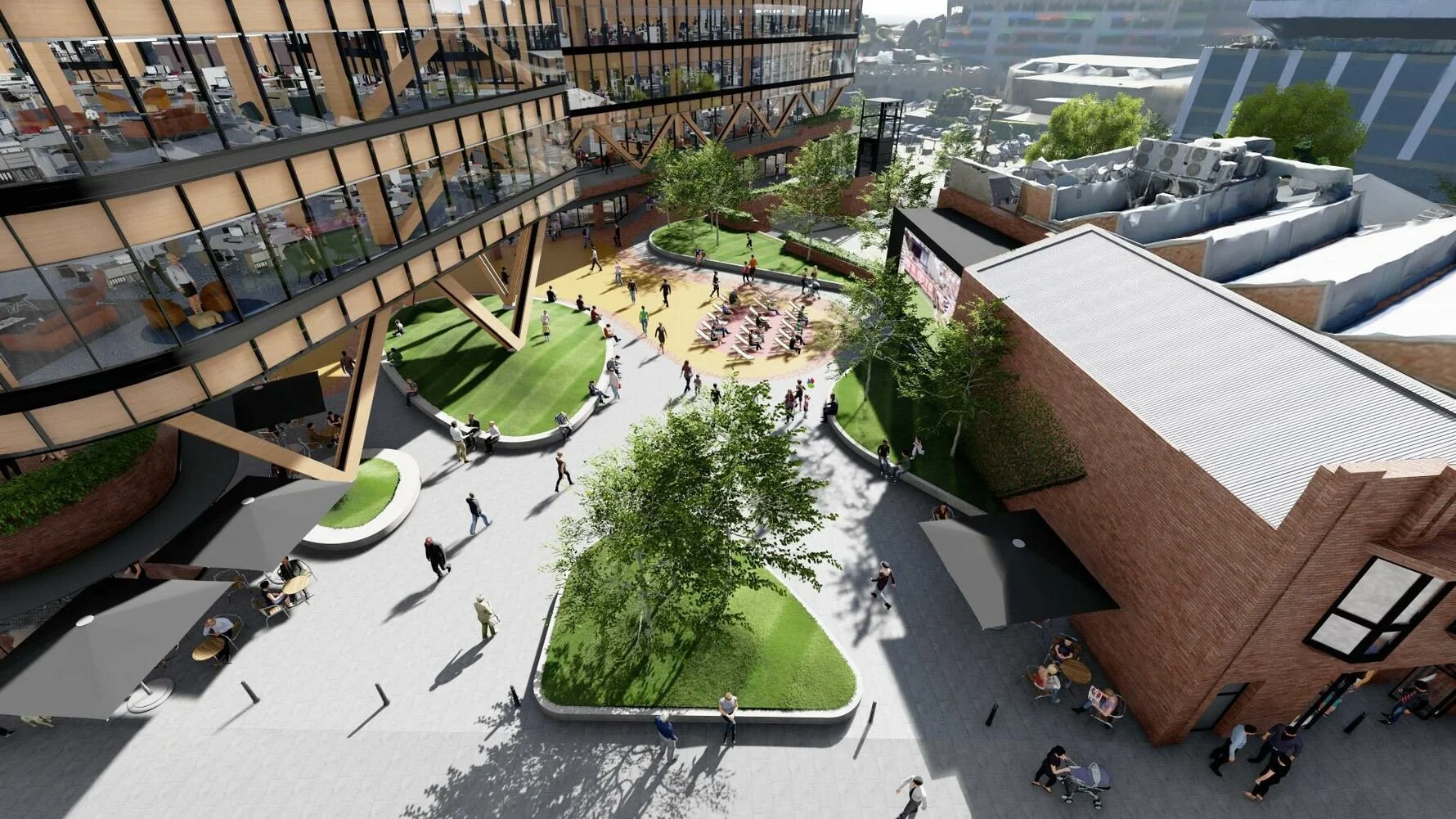
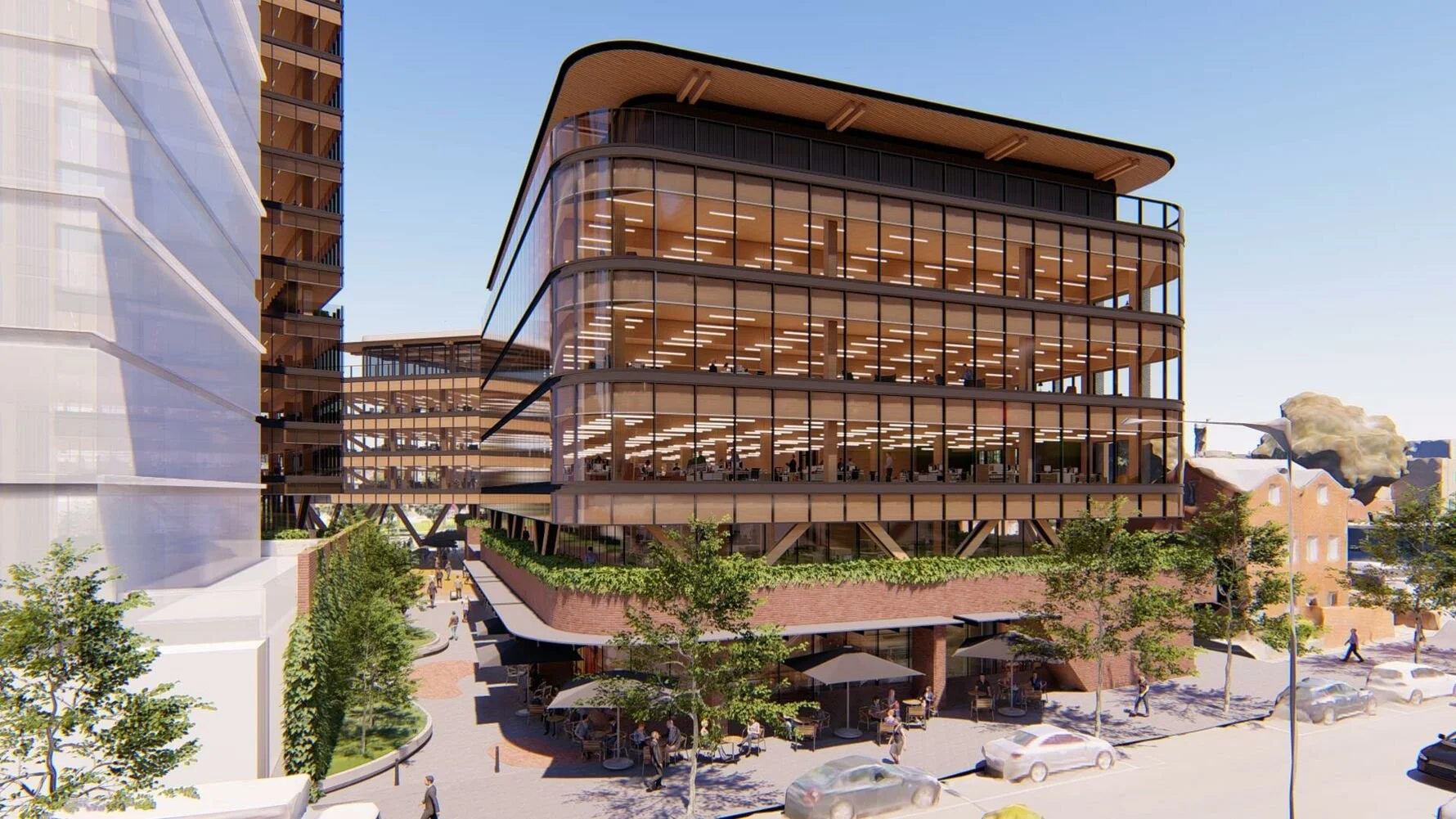
Working alongside Quintessential Equity and Cox Architecture during the Geelong Civic Precinct proposal, we explored the project through a different lens.
Rather than simply strengthening the architectural proposition, we focused on strengthening its civic proposition.
We reframed the proposal around the City of Greater Geelong's long-term aspirations for the future of the city, demonstrating how the precinct could contribute to broader economic, social and community outcomes rather than simply delivering another commercial development.
The conversation changed and the project was no longer competing solely on design quality or commercial capability.
It demonstrated how the development could help the city achieve its own strategic ambitions.
The consortium was ultimately awarded the project.
At the time we believed we had simply strengthened an already very strong submission. Looking back, we realised we had discovered something much more significant.
Reflection
The project revealed that successful developments consistently shared characteristics that had very little to do with the buildings themselves.
Projects succeeded when they generated confidence.
Confidence from councils.
Confidence from communities.
Confidence from institutional investors.
Confidence that the project would create long-term value rather than short-term extraction.
We also recognised something equally important. Developers who consistently built this confidence created advantages that extended well beyond a single project.
Approvals became easier.
Relationships became stronger.
Political risk reduced.
Investor confidence increased.
Future opportunities expanded.
Commercial performance and civic performance were not competing objectives, they reinforced one another.
Clarity
One insight became impossible to ignore.
The most valuable developments do more than create buildings. They create confidence.
That confidence becomes a commercial asset because it:
It reduces friction.
Strengthens reputation.
Improves relationships.
Builds trust.
Creates opportunities that extend into future projects.
We also recognised another important principle. The earlier this confidence begins to develop, the lower its cost and the greater its influence.
Learning before capital became one of the most commercially valuable investments a developer could make.
Capability
As we continued working across projects we noticed the same patterns appearing repeatedly.
Projects that performed well consistently strengthened local identity because:
They created shared value.
They aligned with long-term civic aspirations.
They built trust across stakeholders.
They generated opportunity rather than simply managing impacts.
These recurring patterns were eventually codified into the Regenerative Neighbourhood Principles. The principles are not a sustainability checklist or simply another ESG framework.
They are a practical commercial framework that helps developers design projects capable of earning confidence from councils, communities and investors while creating stronger long-term commercial outcomes and today they form the diagnostic foundation of every Civic Collective engagement.
They help project teams identify opportunities, reduce friction, strengthen civic narratives and establish the conditions for developments that outperform conventional approaches over time.
Conditions
The Regenerative Neighbourhood Principles fundamentally changed the way we understand development. Development is no longer viewed as a linear sequence of acquisition, design, planning and construction. We understand it as the gradual creation of a living neighbourhood founded on regenerative principles that serve the needs of all stakeholders…including the developer’s.
That changes everything because community intelligence becomes strategic intelligence and trust becomes infrastructure.
Narrative becomes a commercial asset and activation of the project begins long before construction starts or is even approved because relationships become part of project delivery rather than obstacles to overcome.
Developments become platforms for long-term value creation rather than isolated property transactions.
Contribution to The Compass
This Learning Ledger became one of the most influential contributors to The Compass.
It reinforced the proposition that learning has an economic value and that the earlier learning occurs, the lower its cost and the greater its influence.
More significantly, it became the origin of the Regenerative Neighbourhood Principles. Rather than emerging from theory, the Principles were distilled from repeated observations across real projects.
They transformed Civic Collective's approach from providing strategic advice to offering a practical operating framework capable of guiding development from acquisition through to long-term precinct stewardship.
Adaptive Freedom Contribution
Introducing regenerative thinking before major commitments are made expands future possibilities for everyone involved.
Developers retain greater strategic flexibility.
Councils gain confidence to support ambitious proposals.
Communities become partners in creating value rather than opponents responding to change.
Institutional investors gain greater confidence that projects will deliver enduring environmental, social and commercial outcomes.
Most importantly, developers build reputations that extend beyond individual projects.
Each successful regenerative development increases the likelihood of future opportunities, stronger partnerships and faster pathways to delivery. Adaptive Freedom is not simply about preserving options within a project.
It is about creating the conditions for sustained commercial success across an entire development portfolio.
Next Action Learning Question
How might the Regenerative Neighbourhood Principles become the common operating framework through which developers, councils, investors and communities collectively shape the future of neighbourhoods?